
Choosing the Right Technology Stack for Healthcare Innovation
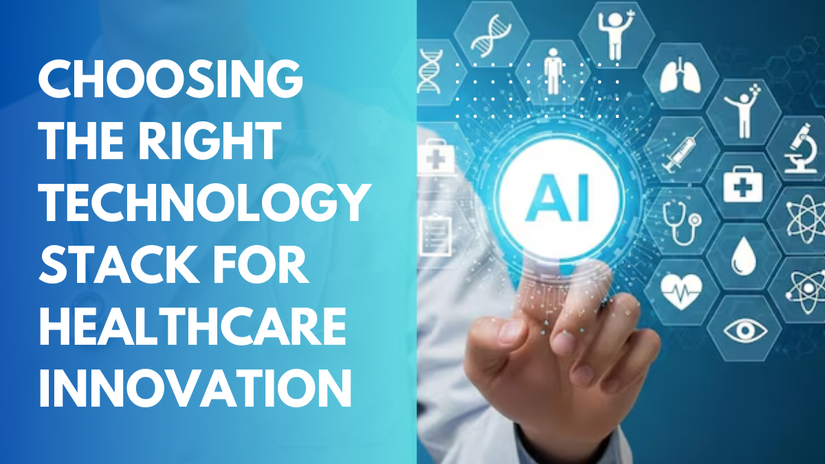
Healthcare is evolving faster than ever. From AI-assisted diagnostics and telemedicine to remote patient monitoring and predictive analytics, innovation is reshaping how care is delivered and experienced. But behind every successful digital health platform lies one critical decision: choosing the right technology stack.
The technology stack you select directly influences scalability, compliance, performance, security, interoperability, and long-term sustainability. In healthcare, these aren’t just technical considerations—they impact patient safety, regulatory approval, and trust.
This guide explores how organizations can thoughtfully choose the right technology stack for healthcare innovation, balancing modern capabilities with strict industry requirements.
Understanding the Unique Demands of Healthcare Technology
Healthcare technology isn’t like building a typical eCommerce app or SaaS product. It operates within one of the most regulated and sensitive environments in the world. Before selecting tools or frameworks, it’s important to understand the core demands that shape healthcare innovation.
First, data sensitivity is paramount. Healthcare platforms process protected health information (PHI), medical histories, imaging data, and insurance records. The stack must prioritize encryption, secure storage, and strict access control from day one.
Second, compliance requirements such as HIPAA (in the U.S.), GDPR (in Europe), and other regional healthcare regulations must be built into the system architecture—not added as an afterthought. The technology must support audit logs, data traceability, and secure integrations.
Third, interoperability is critical. Hospitals, labs, insurance providers, and pharmacies rely on standardized data exchange protocols like HL7 and FHIR. A healthcare solution must seamlessly integrate with existing Electronic Health Record (EHR) systems and medical devices.
Finally, healthcare systems must be highly reliable. Downtime isn’t just inconvenient—it can disrupt patient care. The technology stack should support high availability, disaster recovery, and real-time processing.
Understanding these constraints helps organizations avoid costly rebuilds later and ensures innovation is sustainable and compliant from the start.
Understanding these constraints helps organizations avoid costly rebuilds later
Frontend Technologies for Patient and Provider Experience
The user interface is where trust begins. Whether it’s a patient portal, a telemedicine dashboard, or a clinician-facing analytics system, the frontend must be intuitive, accessible, and responsive. Modern frameworks such as React, Angular, and Vue.js are commonly used for building scalable web applications. For mobile healthcare applications, cross-platform frameworks like Flutter or React Native can accelerate development while maintaining performance. Accessibility standards must also be considered. Healthcare platforms often serve elderly patients or individuals with disabilities, so compliance with accessibility guidelines ensures inclusive design.
Backend Infrastructure and Cloud Architecture
The backend is the backbone of any healthcare platform. It manages data storage, processing, integrations, and business logic. Popular backend technologies include Node.js, Python (Django, FastAPI), and Java (Spring Boot). These frameworks offer scalability, robust security features, and strong community support. Cloud infrastructure plays a crucial role in modern healthcare systems. Platforms such as AWS, Microsoft Azure, and Google Cloud offer healthcare-specific compliance support, secure data storage, and scalable computing power. Cloud-native architecture enables flexibility. Microservices allow healthcare systems to scale specific components—like video consultations or AI analytics—without affecting the entire system.
Data Management and Interoperability
Healthcare innovation depends heavily on data—clinical data, wearable device data, diagnostic imaging, lab results, and more. Databases such as PostgreSQL, MongoDB, and specialized healthcare data platforms must be chosen based on data structure needs. Structured patient records require relational databases, while unstructured data like imaging and sensor streams may benefit from NoSQL solutions. Interoperability tools and APIs should support standards like FHIR to enable seamless data exchange. Without this, healthcare platforms risk becoming isolated systems that fail to integrate into existing ecosystems. Real-time data streaming capabilities may also be necessary for remote monitoring systems or emergency care platforms.
Security, Compliance, and Governance as Foundational Elements
Security in healthcare is not a feature—it is a foundation. Every layer of the technology stack must incorporate robust security practices. Encryption protocols such as TLS for data transmission and AES for data storage are essential. Identity and access management systems should enforce least-privilege access to prevent unauthorized exposure of sensitive information. Audit trails and logging systems must track every interaction with patient data. This is not only good practice but also a compliance requirement in many jurisdictions. DevSecOps practices should be embedded into the development lifecycle. Automated vulnerability scanning, code reviews, and penetration testing reduce risk before deployment.
Collaboration Between Technical and Clinical Teams
One often overlooked aspect of choosing the right technology stack is collaboration. Healthcare innovation succeeds when technical experts work closely with clinicians, administrators, and compliance officers. Developers must understand real clinical workflows. Doctors and nurses must provide feedback during interface design. Compliance teams must review architecture decisions early. This interdisciplinary approach reduces rework and ensures the final product genuinely improves patient care rather than adding complexity. Technology should serve healthcare professionals—not overwhelm them.